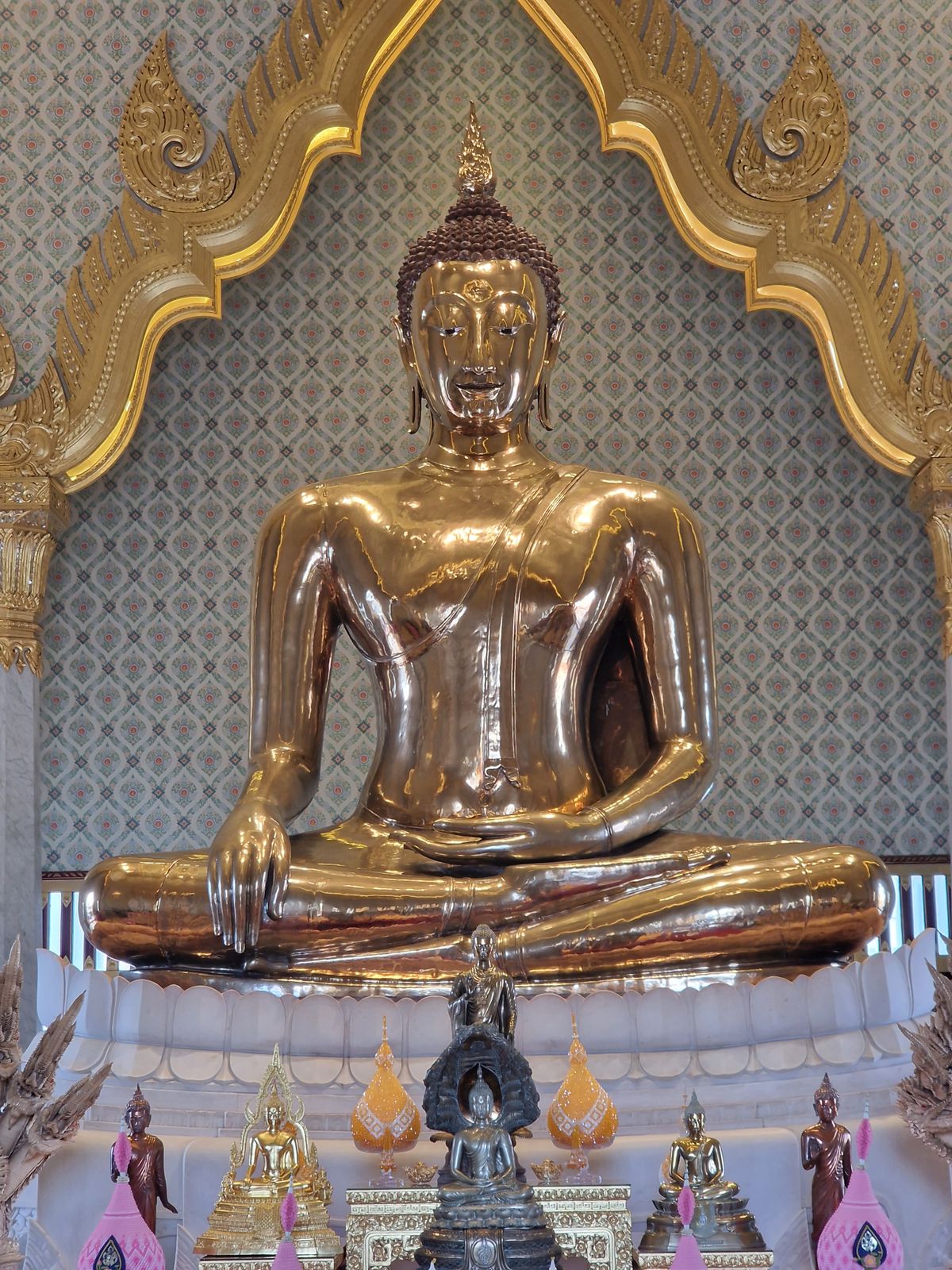
Wat Traimit
Home to the world's largest solid gold Buddha statue, this temple sits at the edge of the Chinatown district. It serves as a prominent landmark and cultural reference point.
Visit in the morning to avoid the largest tour groups.

Bangkok's Chinatown sprawls along Yaowarat Road in the Samphanthawong district, a dense grid of gold shops, shrines, and street vendors that has anchored the city's commerce since the late 18th century. The district is open around the clock with no entrance fee, though the energy and food stalls peak between 5 PM and 10 PM. This guide explains what the area offers, when to arrive, and whether it fits your itinerary.
Quick answer
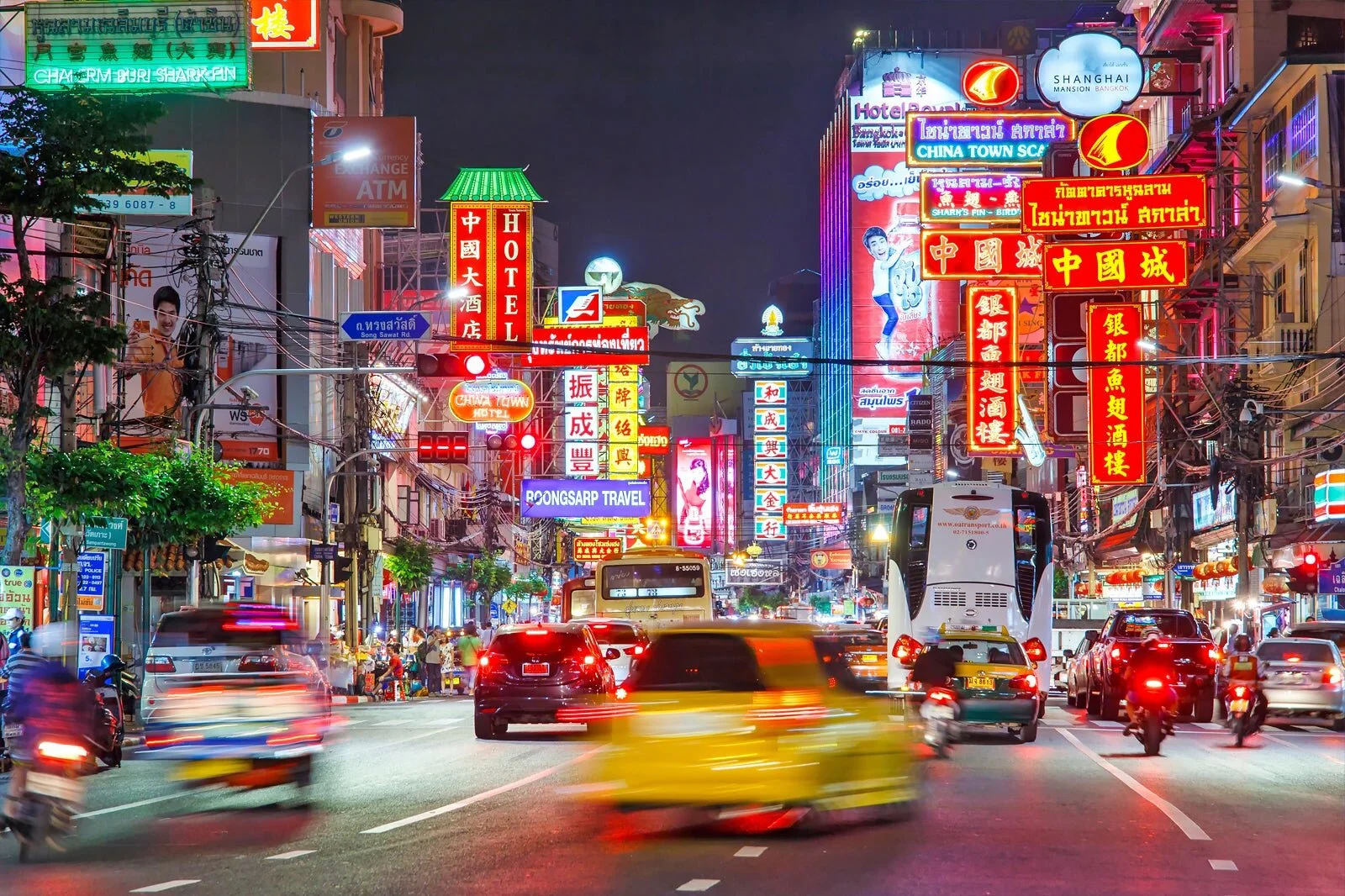
Yes, Chinatown Bangkok is worth visiting if you want authentic street food, historic temples, and a glimpse of the city's oldest trading quarter—all with free access 24 hours a day. The district comes alive after sunset when Yaowarat Road transforms into a night market with grilled seafood, dim sum carts, and illuminated storefronts. Arrive between 5 PM and 10 PM to see the neighborhood at its busiest, though morning visits offer quieter temple walks and open-air markets.
More than 200 gold shops line Yaowarat Road, their glass cases stacked with 23-karat chains and amulets that draw Thai families planning weddings and Chinese tourists hedging savings. The district's commercial density has barely shifted since King Rama I relocated Chinese merchants here in 1782 to clear space for the Grand Palace, and that continuity is visible in the row houses with faded Teochew signage and the Taoist shrines wedged between mobile-phone stalls. The question of whether Bangkok's Chinatown merits a visit depends on what you expect from a heritage quarter. This is not a polished heritage park with interpretive plaques and pedestrian zones—Yaowarat is a working neighborhood where motorbikes weave past handcart vendors and the sidewalks flood with folding tables after 6 PM. The sensory intensity is deliberate: charcoal smoke from oyster omelette grills, the clatter of woks in alley kitchens, the scent of incense from Wat Mangkon Kamalawat spilling into the street. If you find crowds and diesel fumes stressful, the area is harder to enjoy. If you want to see how a historic district functions as a living economy rather than a museum, few Bangkok neighborhoods deliver more texture per block. Timing shapes the experience. Daytime Chinatown reveals the district's architecture—Sino-Portuguese shophouses, the art-deco facade of the old Chalerm Buri cinema, the ceramic roof tiles on clan association halls—but many food vendors don't set up until late afternoon. Evening visits center on eating: whole grilled prawns at plastic tables on Yaowarat Road, rice porridge with pork and century egg on Plaeng Nam Road, mango sticky rice from carts near Wat Traimit. The neighborhood does not close, so post-midnight visits are possible, though the energy thins after 11 PM when vendors pack up and the gold shops shutter. Budget three hours if you plan to walk the full loop from Odeon Circle to Wat Traimit, longer if you stop to eat or explore the covered Sampeng Market running parallel to the main road. Whether exploring Bangkok's Chinatown aligns with your travel priorities comes down to appetite—for unfamiliar food, for navigating crowded lanes without signage in English, and for a district that prioritizes local commerce over visitor comfort. The area demands patience and a tolerance for sensory overload, but it offers an unfiltered view of the city's Chinese heritage and some of the most consistent street food in Southeast Asia.
“Yaowarat is a working neighborhood where motorbikes weave past handcart vendors and the sidewalks flood with folding tables after 6 PM.”
The best arrival window is 17:00–22:00, when Yaowarat Road transitions from a busy daytime commercial district into a vibrant street food environment illuminated by neon lights. Visiting during this period allows travelers to experience the area at its most active.
Cooler, dry weather with low humidity
This peak season offers comfortable temperatures for walking and outdoor dining.
Hot and humid, often exceeding 35°C
The intense heat makes evening visits significantly more pleasant than daytime exploration.
Frequent rain showers, humid
Occasional monsoon rains occur, though street food activity continues throughout the evening.
—
Tuesday to Thursday evenings provide a balance between active stalls and manageable foot traffic.
Verdict: For the optimal experience, visit on a weekday evening between November and February during the 17:00–22:00 arrival window.
Chinatown Bangkok is a public area accessible throughout the entire day. While the streets remain open at all times, vendor activity fluctuates significantly based on the time of day.
Chinatown Bangkok is a public district, and there are no costs associated with entering the streets or market areas. Access to the neighborhood remains open to the public at all times.
Verdict: The entry fee is 0 THB for all visitors, though personal spending on food or goods will vary based on individual choices.
Chinatown is centered around Yaowarat Road, Samphanthawong, Bangkok 10100, Thailand. The most efficient way to access this area is via the underground rail network.
MRT Blue Line to Wat Mangkon Station
Chao Phraya Express Boat to Ratchawong Pier
Direct to Yaowarat Road
Taking the MRT Blue Line to Wat Mangkon Station is the most reliable method to avoid Bangkok traffic. From there, it is a short walk to the heart of the market district.
Yaowarat Road serves as the primary artery for Bangkok's street food culture, hosting a dense concentration of vendors specializing in Chinese-Thai fusion cuisine. While the main strip offers immediate access to popular stalls, visitors often find quieter, localized flavors by exploring the narrow sois (alleys) branching off the main thoroughfare.
street
The main road features numerous stalls serving oyster omelets, seafood, and rolled rice noodles directly on the sidewalk.
restaurant
Located directly on the corner of Yaowarat and Phadung Dao Road, this venue is known for its open-air seating and extensive seafood menu.
street
Found in front of the Old Chinatown Cinema on Yaowarat Road, this vendor specializes in peppery rolled rice noodle soup.
street
This narrow alley branching off Yaowarat Road offers a variety of smaller, localized food stalls and snacks away from the main traffic.
Beyond the busy street food stalls, Chinatown offers several cultural and historical landmarks that anchor the district. These sites provide context to the neighborhood's long-standing heritage and architectural evolution.
Home to the world's largest solid gold Buddha statue, this temple sits at the edge of the Chinatown district. It serves as a prominent landmark and cultural reference point.
Visit in the morning to avoid the largest tour groups.
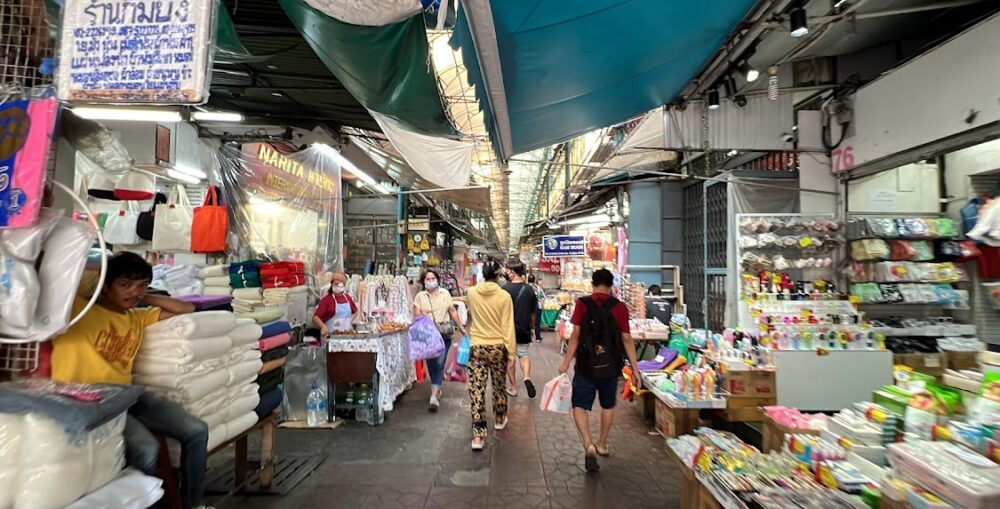
This narrow, bustling alleyway represents the historical heart of the district’s trade. It remains a dense hub for textiles, crafts, and small goods.
Navigate the narrow lanes early to avoid peak crowds.
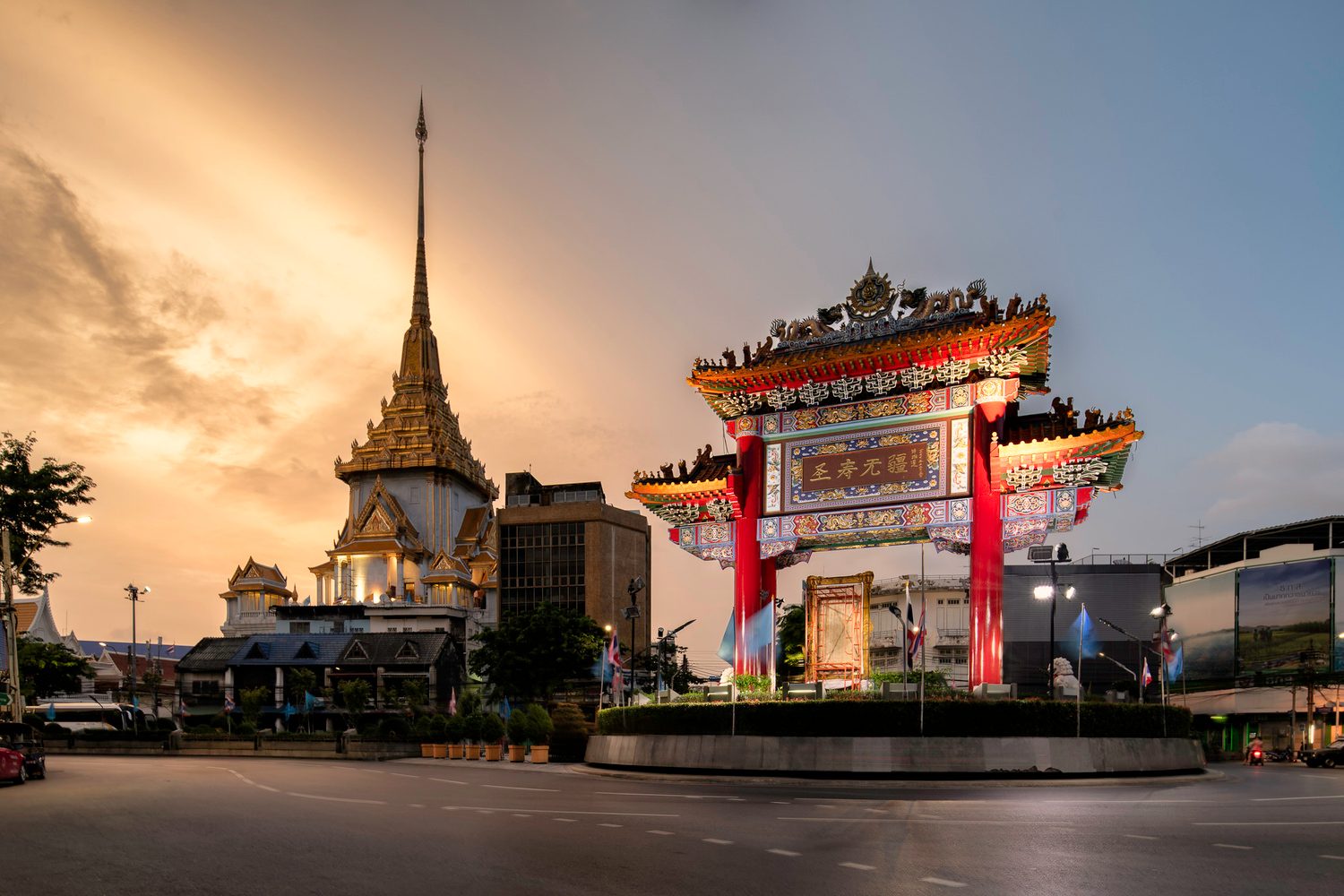
Standing as a ceremonial entrance, this ornate archway marks the western boundary of the area. It is a frequent point of orientation for visitors.
Capture photos from across the street for better framing.
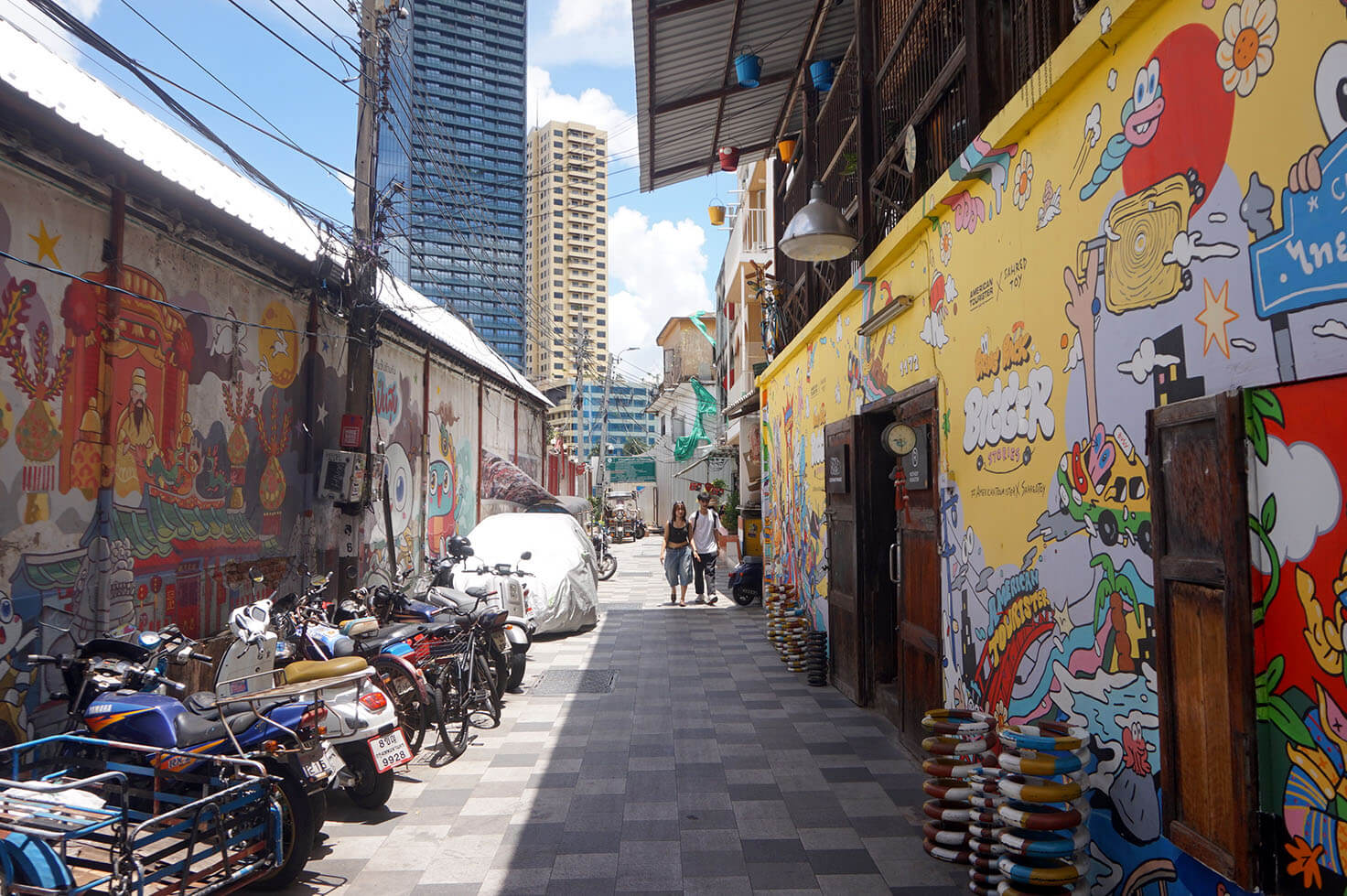
This historic neighborhood located within the greater Chinatown area features traditional architecture and street art. It offers a quieter perspective on the local community.
Explore the small alleys to find hidden wall murals.
Everything you need to know about is chinatown bangkok worth visiting
Yes, is chinatown bangkok worth visiting for its rich cultural history and diverse culinary scene. It offers a unique sensory experience defined by neon lights and bustling market stalls. Travelers often find that the vibrant atmosphere provides a deep insight into the local heritage. Many visitors agree that is chinatown bangkok worth visiting to sample authentic street food delicacies found nowhere else in the city. Since the area operates on a public street grid, you can explore at your own pace without any ticket requirements. The district is accessible to all, making it a flexible stop for any itinerary. Families often appreciate the lively environment, though it is helpful to keep track of children in the dense crowds. Some travelers focus only on the main road and miss the quieter, historic side streets where authentic artisans work. Exploring these narrow alleyways allows you to see the true character of the district beyond the primary food stalls. While daytime offers a look at local trade and temples, the area truly comes alive after dark. Most visitors prefer the evening hours to witness the full transformation of the streets. You can reach this historic district by using public transportation to nearby MRT stations. Once you arrive, the central Yaowarat Road acts as the primary hub for your exploration.
Chinatown Night Food Tours
Read more GuideChinatown Bangkok Opening Hours
Read more Tickets & toursChinatown Walking Food Tours
Read more Tickets & toursChinatown Street Food Tours
Read more GuideWhat to Do in Chinatown Bangkok
Read more Tickets & toursChinatown Michelin Food Tours
Read more GuideWhat to Eat in Chinatown Bangkok
Read more