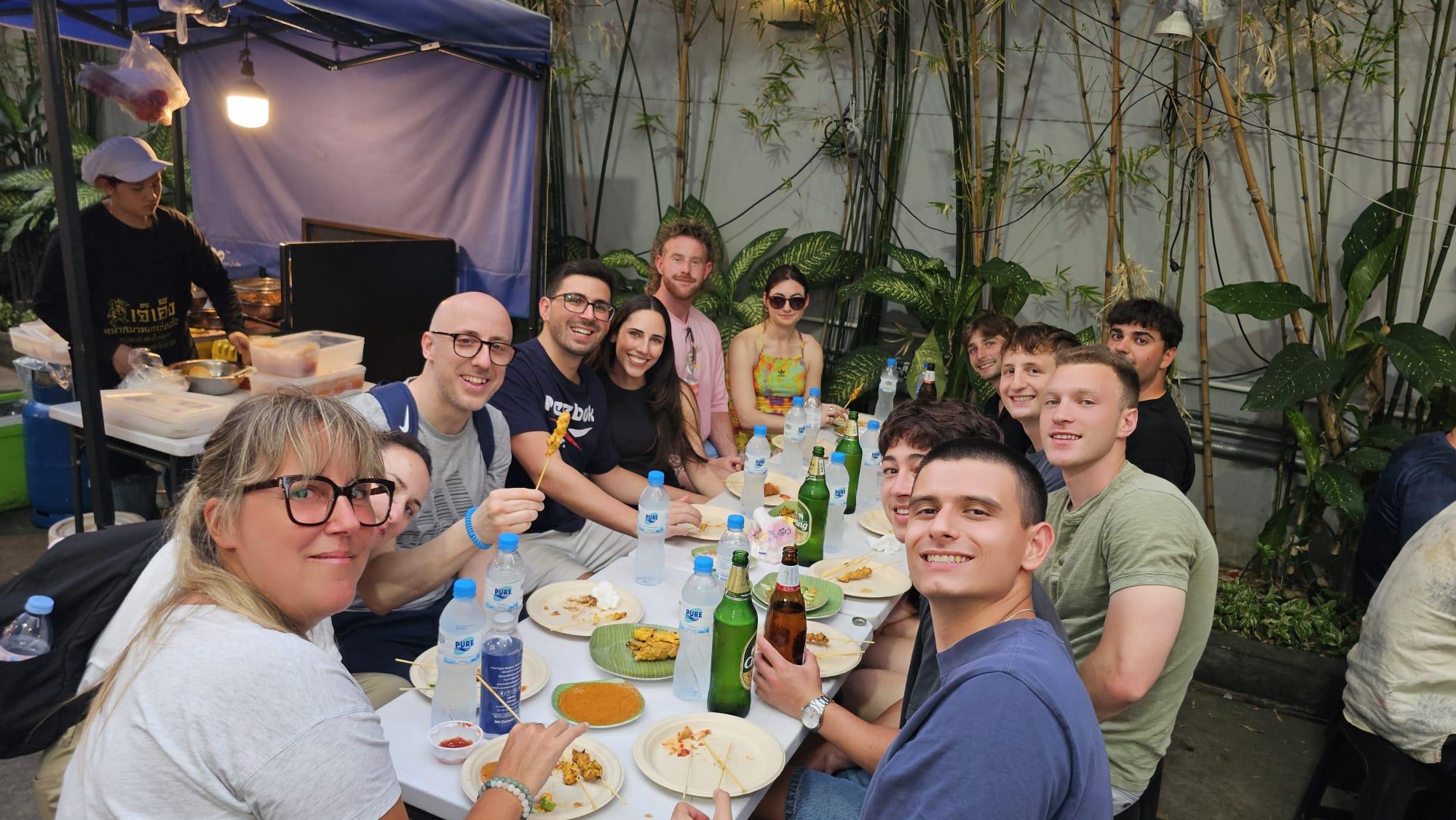
Bangkok Chinatown Food Tour
Bangkok Authentic Tasting Thai Chinatown Walking Food Tour
Tours & tickets

Bangkok Authentic Tasting Thai Chinatown Walking Food Tour

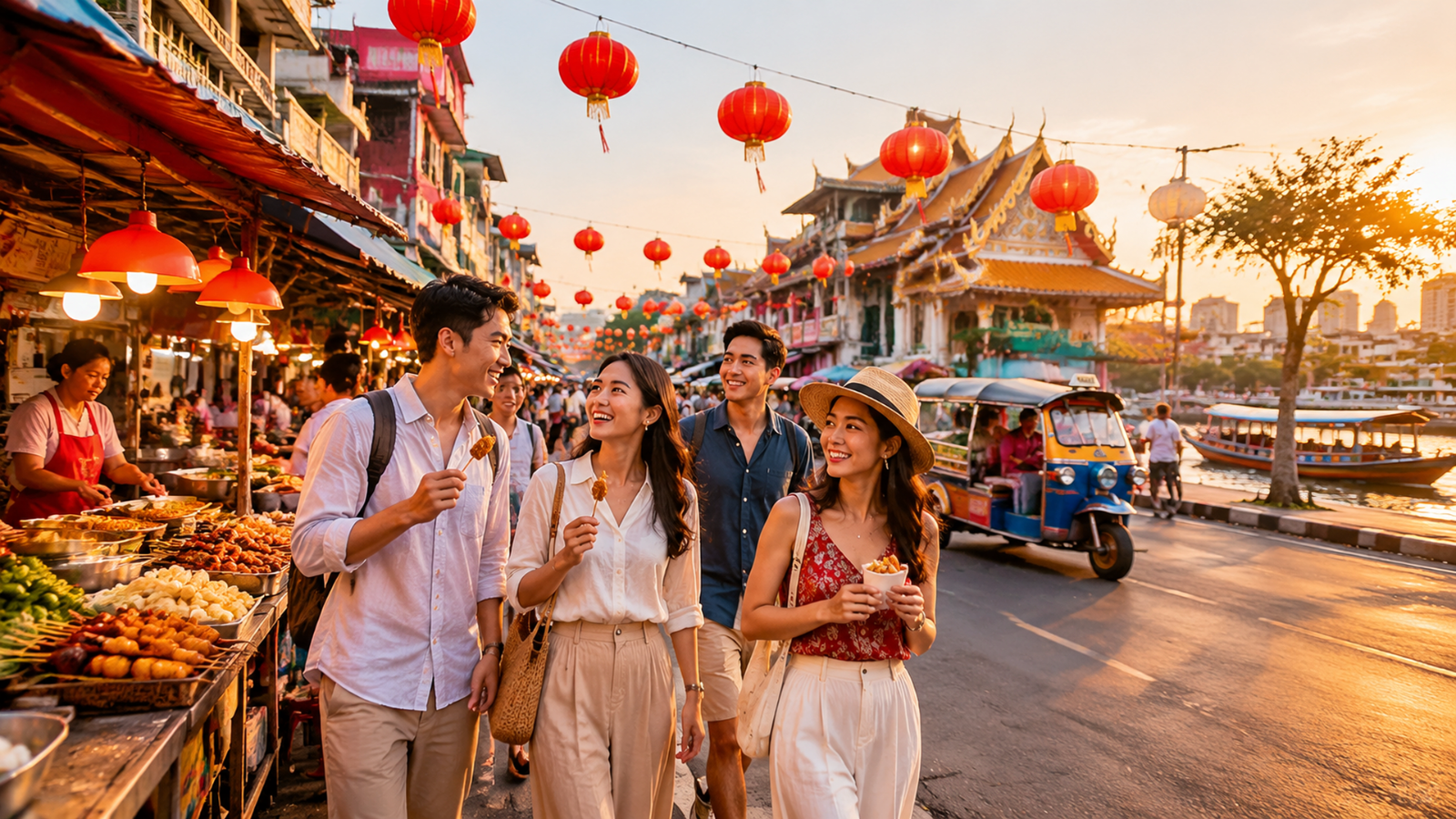
Fifteen tastings through neon-lit alleys, guided by locals who know every vendor

Hand-picked by our editors — only the best 5 culinary walks from 18 reviewed.

Free cancellation Instant confirmation Mobile voucher Verified partner Book now, pay later
Tickets

Choose your ticket

Verified partners for every tour, free cancellation where available, and instant confirmation on every booking.

Chinatown Backstreets Food Adventure 4 hr
Standard Entry

Chinatown Backstreets Food Adventure

★ 4.9 (3345)
€54
per person
Instant Mobile voucher Flexible — change up to 24h

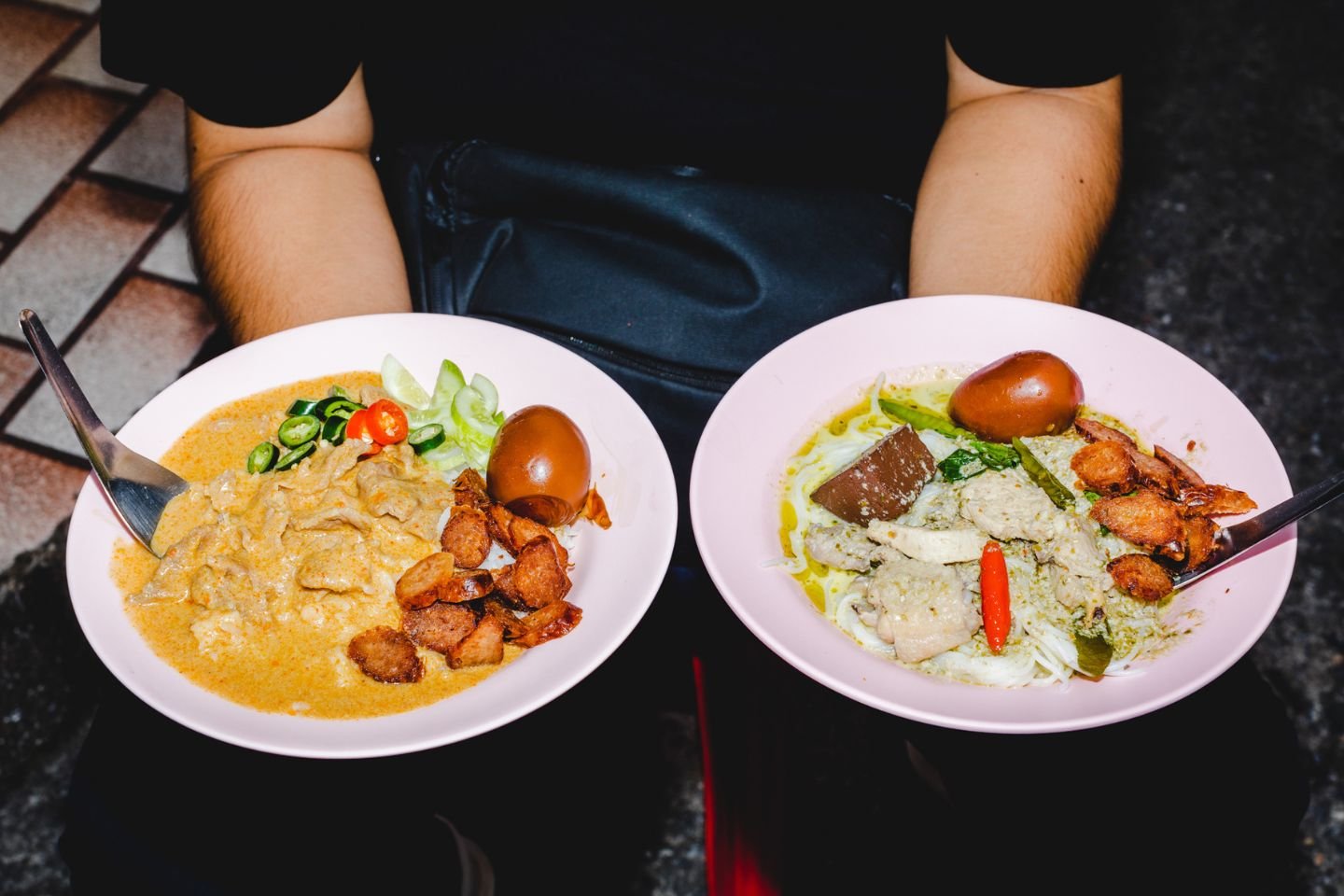
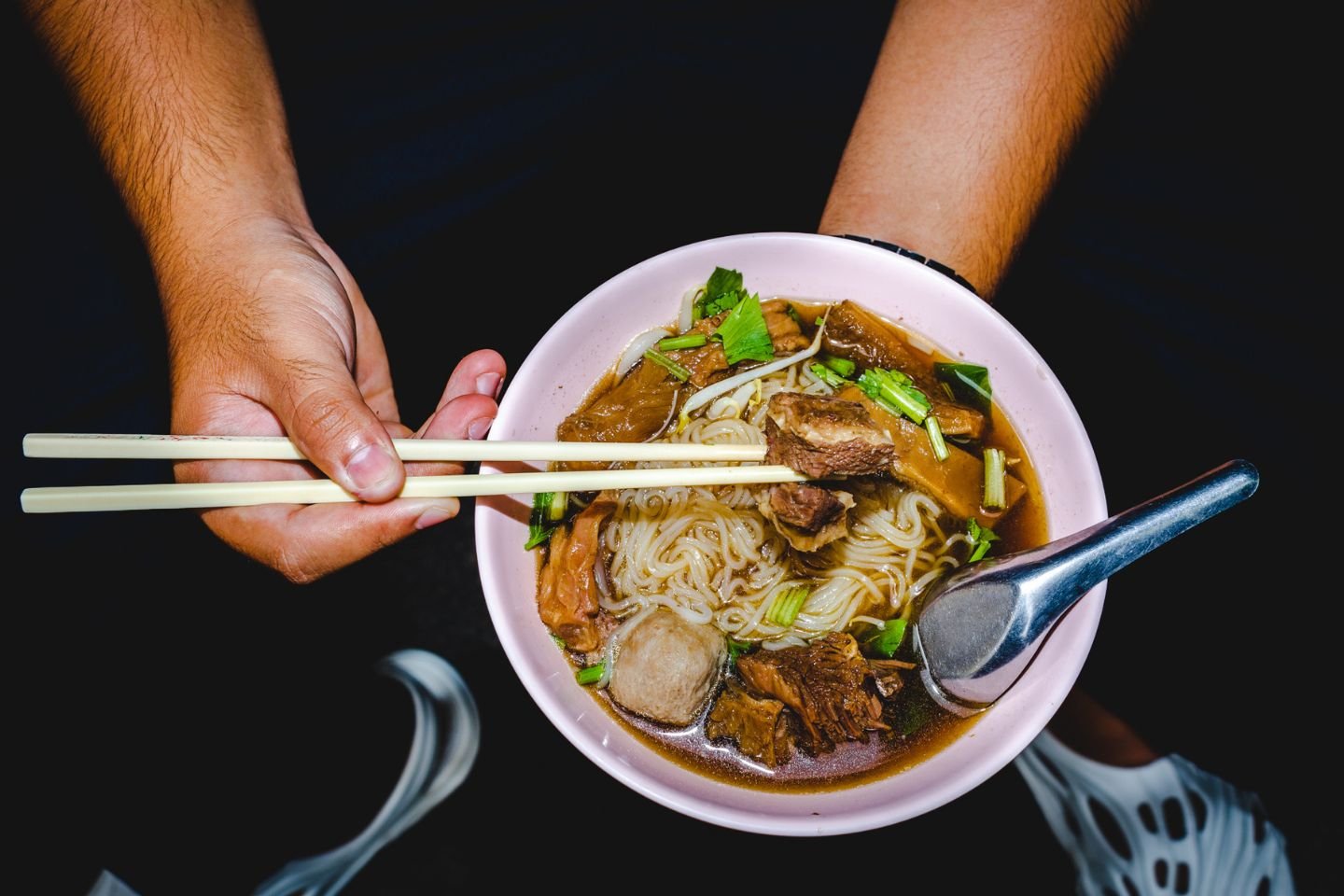
Dive into Yaowarat's hidden alleys for 15+ street food tastings across Michelin-listed stalls

Reserve
Old Siam Food Adventure with 15+ Tastings 4 hr
Premium Combo

Old Siam Food Adventure with 15+ Tastings

★ 4.9 (631)
€54
per person
Instant Mobile voucher Flexible — change up to 24h

Discover authentic Thai flavors in historic Bangkok neighborhoods locals still call home

Reserve

Prices from verified partners. Availability updates in real time at checkout. Free cancellation policies apply where shown.

Highlights

What you'll see inside the attraction

The landmarks, rooms, and views travelers on this tour remember — all visible on a single visit.

Wat Traimit

Home to the world's largest solid gold Buddha statue weighing 5.5 tons. It is located at the edge of the Chinatown district

Golden Buddha statue close up

Wat Traimit Buddha statue

Yaowarat Road

The main artery of the district featuring neon signs and the highest concentration of street food. It is the heart of every bangkok authentic tasting thai chinatown walking food tour

Neon signs on busy street

Yaowarat Road Bangkok

Sampeng Lane

A historic narrow alley that has been a trade hub for over 200 years. It provides a dense, authentic glimpse into local wholesale life

Narrow market alleyway

Sampeng Lane market

Wat Mangkon Kamalawat

This temple is the center of Chinese cultural activities in Bangkok. It was founded in 1871 and features ornate dragon motifs

Traditional Chinese temple roof

Wat Mangkon Kamalawat

Oyster Omelet Stalls

Famous for crispy edges and fresh local seafood. These stalls are often found near the busiest junctions of the bangkok authentic tasting thai chinatown walking food tour

Crispy oyster omelet dish

Bangkok street food oyster

Head to head

Bangkok Authentic Tasting Thai Chinatown Walking Food Tour vs Self-Guided Yaowarat Exploration: Choosing Your Experience

They complement each other; most visitors who do both call the guided bangkok authentic tasting thai chinatown walking food tour more efficient for deep cultural context, whereas self-guided exploration offers total freedom. This organized Bangkok street food tour provides deep narrative insights into Yaowarat's culinary heritage.

Feature Top pick Guided Walking Tour Self-Guided Exploration
Curation and History
Individual discovery based on preference
Cost
0 THB plus food costs
Flexibility and Pace
Fully flexible personal timing
Social Experience
Solo or private party only
Navigation and Language Support
Independent navigation of Yaowarat Road
Logistics
Self-managed transit and dining choices

Verdict: Opt for the bangkok authentic tasting thai chinatown walking food tour tickets if you prefer a curated narrative, or choose self-guided bangkok authentic tasting thai chinatown walking food tour tours for absolute autonomy while navigating this historic Bangkok landmark.

How your ticket works

Book your ticket in 3 steps

  1. 01

    Book online

    Choose your ticket, select your date, and reserve in under two minutes. Secure checkout handled by our verified partner.

  2. 02

    Receive your mobile voucher

    Instant confirmation by email, with a mobile voucher you can save offline. No printing, no queuing at a collection desk.

  3. 03

    Show & enter

    Arrive at the entrance, show your voucher on your phone, and walk in. Most tickets include priority or skip-the-line access.

Plan your visit

Everything you need to know before you go

Practical details for your visit straight from our verified partners — hours, access, rules, and how to get there.

Walking Level
High intensity; navigate narrow, crowded streets
Climate
Hot and humid; plan for outdoor food exploration

Weekly schedule unavailable — check the official site.

Location

Around your visit

Everything else worth knowing

Best time to go, insider tips, nearby landmarks, and the cancellation fine print — flip through to skim what matters to you.

Best time to visit

How crowds, weather, and events shift across the year.

Summer (Aug)

Warm temperatures with occasional evening rain. The bangkok authentic tasting thai chinatown walking food tour is best enjoyed after 18:00 when temperatures drop slightly.

Winter (Nov-Feb)

Cooler, drier weather makes this the most comfortable time for a bangkok authentic tasting thai chinatown walking food tour.

Shoulder Season

March to May brings high heat, requiring frequent hydration during your bangkok authentic tasting thai chinatown walking food tour.

Helpful tips for your visit

Small details that turn a good visit into a great one.

Go hungry

Arrive with an empty stomach to fully enjoy the tastings. Sampling small portions allows you to try more dishes during your bangkok authentic tasting thai chinatown walking food tour.

Cash is king

Most street stalls do not accept credit cards. Always keep a supply of 20, 50, and 100 THB notes for your bangkok authentic tasting thai chinatown walking food tour.

Follow the crowds

If you see a long line of locals, the food is worth the wait. This is a reliable strategy for finding the best bites on a bangkok authentic tasting thai chinatown walking food tour.

Stay hydrated

The heat combined with spicy food can be intense. Carry extra water alongside the drinks provided on your bangkok authentic tasting thai chinatown walking food tour.

Mind the traffic

Motorbikes frequently share the narrow street space with pedestrians. Stay aware of your surroundings throughout the bangkok authentic tasting thai chinatown walking food tour.

Nearby landmarks

Non-bookable sights within a short walk — free to visit, easy to pair.

Wat Traimit

0m

Home to a massive solid gold Buddha statue. It serves as an excellent starting point before your bangkok authentic tasting thai chinatown walking food tour.

Wat Mangkon Kamalawat

5m

The largest Chinese temple in Bangkok with intricate architecture. It is a quiet contrast to the nearby bangkok authentic tasting thai chinatown walking food tour.

Sampeng Market

2m

A historic, narrow wholesale market lane. This is a must-see for those interested in local trade history near the bangkok authentic tasting thai chinatown walking food tour.

Romaneenart Park

12m

A former prison turned public park offering green space. It is a peaceful area to relax before a bangkok authentic tasting thai chinatown walking food tour.

Cancellation policy

Flexible, no hidden fees.

Cancellations made 24 hours in advance receive a full refund. This area is a public street with 0 THB entrance fee.

Where to stay

Hotels & districts near the attraction

Hand-picked options within walking distance — pick a district for vibe, or a specific hotel for convenience.

Grand China Hotel

5m
mid-range

Located directly on Yaowarat Road, perfect for those booking a bangkok authentic tasting thai chinatown walking food tour.

Shanghai Mansion

3m
boutique

A themed hotel reflecting the area's rich Chinese heritage.

Chinatown District

0m
district

Various budget guesthouses are tucked into the side alleys for travelers on a bangkok authentic tasting thai chinatown walking food tour.

About

The place, in context

Yaowarat Road has served as Bangkok's principal Chinese commercial corridor since 1891, when King Rama V commissioned the boulevard to anchor the settlement of Hokkien and Teochew merchants displaced by the construction of the Grand Palace. The quarter's original wooden shophouses gave way to the three-story Sino-Portuguese structures that line the street today, their ground floors converted over a century into gold shops, herbal medicine dispensaries, and open-front kitchens. By the 1970s Yaowarat had become Southeast Asia's largest concentration of gold traders outside Singapore, but it was the nocturnal food economy—dim sum carts at dawn, charcoal wok stations after dusk—that secured the district's identity as Bangkok's most persistent culinary laboratory. Today a Bangkok authentic tasting Thai Chinatown walking food tour navigates a grid that holds more than 600 registered food vendors within a half-kilometer radius, the majority operating from improvised kitchens rolled onto Yaowarat Road, Charoen Krung Road, and the narrow soi that connect them. The concentration of Michelin Bib Gourmand and Michelin Guide entries here exceeds that of any comparable district in Thailand: Jok Prince serves congee from a recipe unchanged since 1972, Nai Mong Hoi Thod has griddled oyster omelets at the same corner for four decades, and Guay Jub Ouan Pochana slow-braises pork offal in a five-spice broth whose provenance traces to Shantou. Street food economists estimate that a single block of Yaowarat generates THB 2.8 million in weekly revenue during peak seasons, driven by vendors whose average operational footprint measures less than three square meters. The architecture of a Chinatown food walk is determined by the district's unusual hours: most heritage vendors operate from 18:00 until supplies exhaust, typically by 23:00, while a smaller cadre of morning-market stalls opens at 05:00 to serve dock workers and wholesale buyers. A typical Yaowarat evening route begins at Wat Traimit, whose 5.5-ton solid-gold Buddha marks the eastern threshold of the quarter, then moves west along Yaowarat Road's northern sidewalk, where the density of wok stations, charcoal grills, and steamer towers reaches its apex. Side routes into Sampeng Lane and Soi Texas expose shophouse kitchens specializing in Hainanese chicken rice, Thai-Chinese boat noodles, and crab fried rice served on banana leaves. The culinary idiom here is neither purely Thai nor strictly Cantonese but a vernacular that emerged from a century of adaptation: Thai chili and holy basil temper Teochew braising techniques, while coconut milk softens the salinity of Hokkien fish-ball soups.

"Yaowarat generates THB 2.8 million weekly from vendors whose kitchens average less than three square meters."
Frequently asked

Frequently asked questions about bangkok authentic tasting thai chinatown walking food tour tours

Is the bangkok authentic tasting thai chinatown walking food tour accessible for strollers?

Due to extremely narrow and crowded sidewalks, strollers are not recommended for a bangkok authentic tasting thai chinatown walking food tour.

What should I bring for a bangkok authentic tasting thai chinatown walking food tour?

Bring comfortable shoes, cash in THB, and a portable charger. These items will make your bangkok authentic tasting thai chinatown walking food tour much more enjoyable.

Is photography allowed during the bangkok authentic tasting thai chinatown walking food tour?

Yes, photography is allowed and encouraged. Capture the vibrant energy of the bangkok authentic tasting thai chinatown walking food tour but please be respectful of vendors.

Are children welcome on a bangkok authentic tasting thai chinatown walking food tour?

Yes, children are welcome, though be prepared for walking and crowds. It is a great way for families to experience a bangkok authentic tasting thai chinatown walking food tour.

Can I combine nearby attractions with my bangkok authentic tasting thai chinatown walking food tour?

Yes, you can easily visit Wat Traimit or Wat Mangkon Kamalawat before starting your bangkok authentic tasting thai chinatown walking food tour.