4 hr
Chinatown Backstreets Food Tour
Discover the hidden culinary soul of Bangkok's Yaowarat district through 15+ authentic street food tastings
Reserve
Hand-picked by our editors — only the best 5 experiences from 38 reviewed.
Verified partners for every tour, free cancellation where available, and instant confirmation on every booking.
4 hr
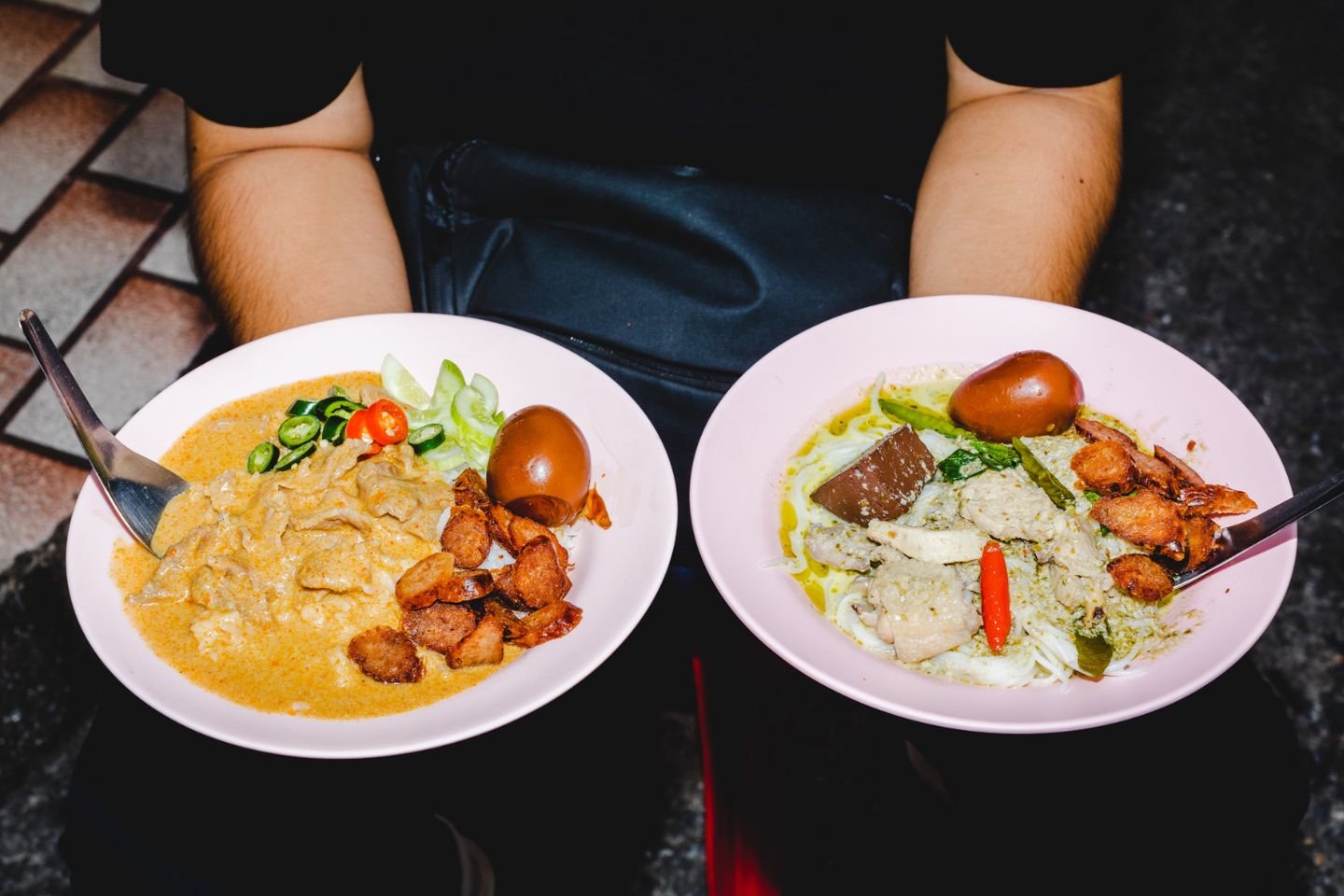
Discover the hidden culinary soul of Bangkok's Yaowarat district through 15+ authentic street food tastings
Reserve
4 hr
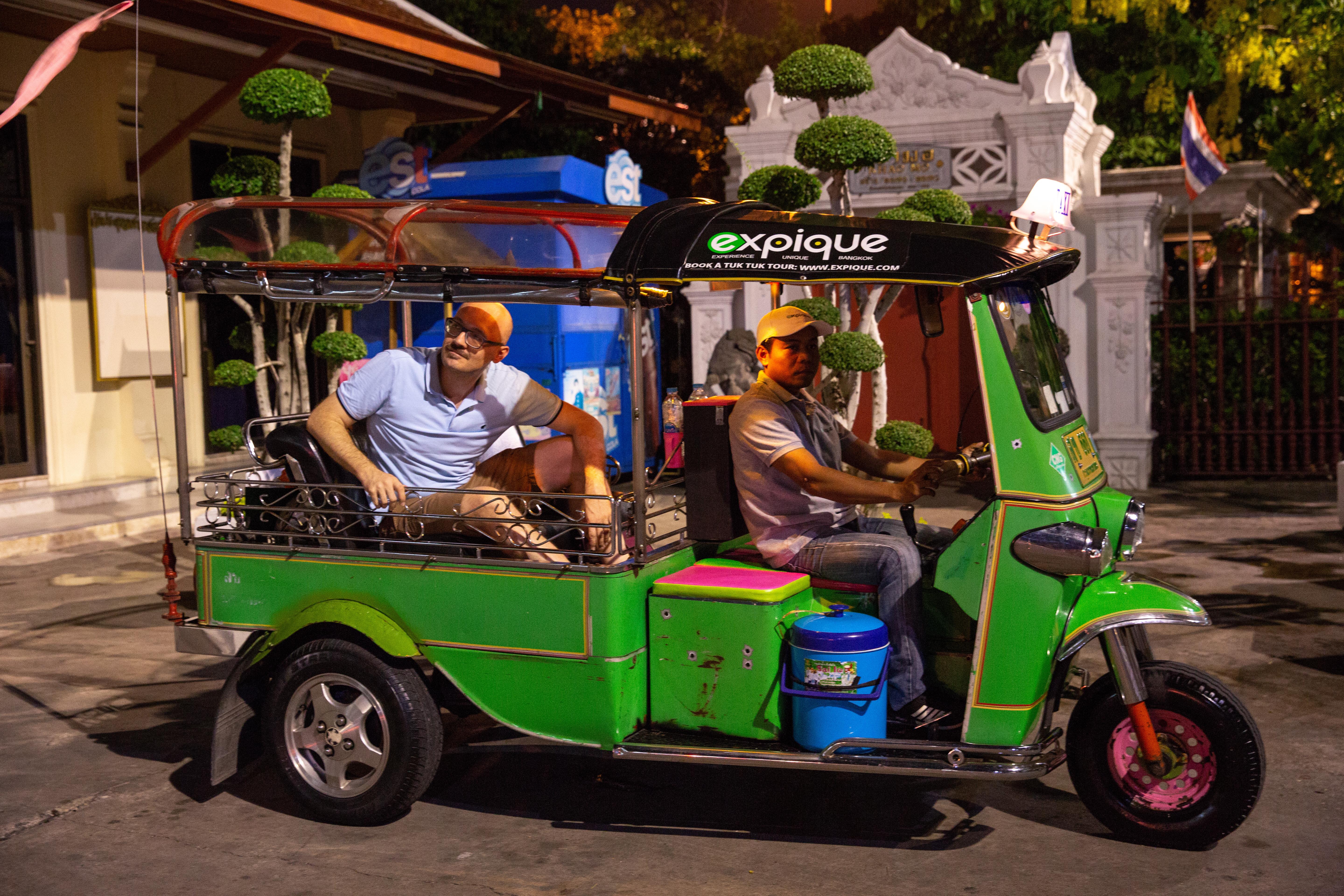
Ride through illuminated Bangkok after dark, sampling authentic cuisine and exploring lit-up temples.
Reserve
3 hr
Taste your way through Bangkok's legendary Chinatown with stops at Michelin-recognized food stalls
ReservePrices from verified partners. Availability updates in real time at checkout. Free cancellation policies apply where shown.
The landmarks, rooms, and views travelers on this tour remember — all visible on a single visit.
This historic temple is the heart of the Chinese Buddhist community in Bangkok. It features intricate architecture and was built in the 1870s.
This temple houses a famous 5.5-ton solid gold Buddha statue. It is a major landmark near the Chinatown district.
A narrow, bustling market lane that has served the community for decades. It is perfect for finding unique goods.
The main artery of the Chinatown district, famous for its massive neon signs and evening street food frenzy.
One of the oldest neighborhoods in Bangkok, known for its street art and heritage buildings.
They complement each other; most visitors who do both call the guided bangkok chinatown street food tour the more insightful choice for deep historical context, while the self-guided path offers more freedom.
| Feature | Top pick Guided Food Tour | Self-Guided Exploration |
|---|---|---|
Curation and History |
Expert-led narratives provided | None provided |
Cost |
Per booking fee applies | 0 THB (Free access to public street food areas) |
Flexibility |
Fixed schedule and group pace | Completely independent timing |
Safety and Logistics |
Group support and local guidance | Individual responsibility for navigation |
Culinary Variety |
Curated tastings selected for you | Selection at your own discretion |
Navigational Ease |
Expert follows specific Yaowarat Road routes | Self-managed via maps or signage |
| See tickets → |
Verdict: Choose a bangkok chinatown street food tour tour if you prefer structured storytelling and curated bites, or opt for self-guided bangkok chinatown street food tour tickets to explore Yaowarat Road entirely at your own pace.
Choose your ticket, select your date, and reserve in under two minutes. Secure checkout handled by our verified partner.
Instant confirmation by email, with a mobile voucher you can save offline. No printing, no queuing at a collection desk.
Arrive at the entrance, show your voucher on your phone, and walk in. Most tickets include priority or skip-the-line access.
Practical details for your visit straight from our verified partners — hours, access, rules, and how to get there.
Charoen Krung Road
Most tours meet near Exit 1 for easy access to the main food area.
Take the MRT Blue Line to Wat Mangkon Station; it is the most efficient way to reach the heart of the area.
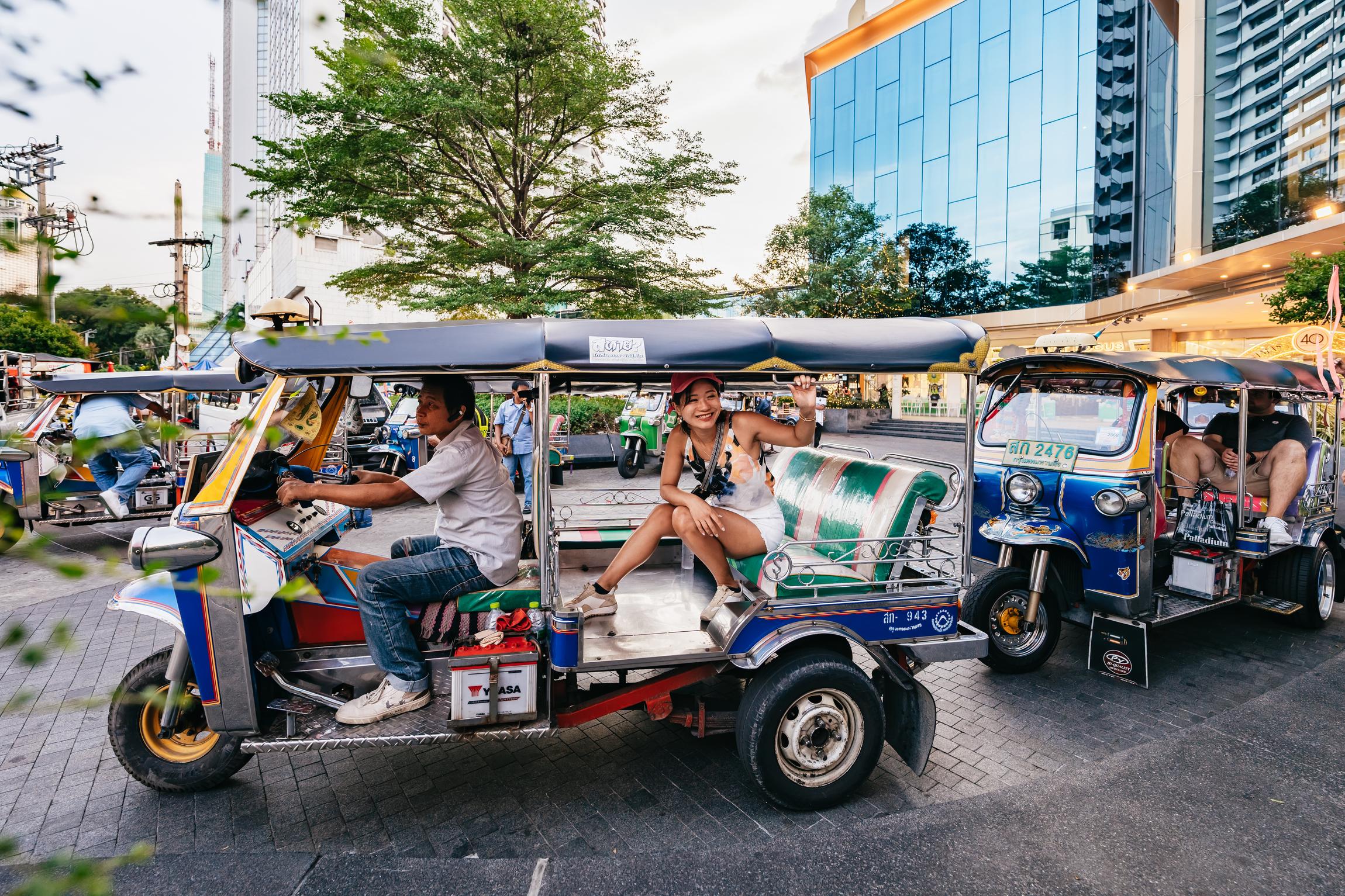
Taxis and tuk-tuks can drop you near Yaowarat Road, though heavy traffic is common during evening peak hours.
Dress in comfortable, casual clothing and footwear suitable for walking on crowded pavements. While there is no formal dress code for street eating, modest attire is recommended if you plan to visit temples like Wat Mangkon Kamalawat.
Keep your belongings secure and close to your body while navigating dense crowds. Backpacks should be worn on your front in narrow alleys to avoid accidental contact with vendors' stalls during a bangkok chinatown street food tour.
Photography of the bustling street scenes and neon signage is highly encouraged. Always respect the privacy of locals and vendors by asking before taking close-up portraits during your bangkok chinatown street food tour.
The area consists of public sidewalks and streets which can be uneven and obstructed by vendors. Wheelchair access is challenging during the busy evening hours on a bangkok chinatown street food tour.
Carry a portable power bank as navigation and photo-taking can quickly drain your battery. Stable cellular service is generally available, but public Wi-Fi is limited on a bangkok chinatown street food tour.
The area is exciting for adventurous children, though crowds and heavy traffic require close supervision. Use strollers with caution due to tight alleyways and busy pedestrian traffic during a bangkok chinatown street food tour.
Street food is the primary attraction, with hundreds of stalls offering diverse snacks and meals. Drink bottled or purified water and focus on vendors with high turnover to ensure food freshness during your bangkok chinatown street food tour.
Pets are not recommended due to the extreme crowding, heat, and presence of open cooking flames. The environment is high-intensity and generally unsuitable for animals.
Most vendors accept cash only, so keep small Thai Baht notes ready. Arrive hungry to fully enjoy the culinary variety on your bangkok chinatown street food tour.
Charoen Krung Road
Most tours meet near Exit 1 for easy access to the main food area.
Get directionsBest time to go, insider tips, nearby landmarks, and the cancellation fine print — flip through to skim what matters to you.
How crowds, weather, and events shift across the year.
Pleasant evening temperatures make this the most comfortable time for a bangkok chinatown street food tour.
Expect high heat and humidity; aim for late evening when temperatures cool down.
Occasional heavy showers; carry an umbrella and check local forecasts before your bangkok chinatown street food tour.
Small details that turn a good visit into a great one.
Beat the heaviest crowds by arriving around 18:00 for your bangkok chinatown street food tour.
Choose stalls with the longest lines of local residents for the freshest and most authentic food.
Sample a wide variety of dishes by sharing small portions at multiple stops during your bangkok chinatown street food tour.
Vendors rarely accept cards, so keep enough small Thai Baht notes for all your food purchases.
Some of the best hidden gems are found in the narrow sois branching off the main Yaowarat Road.
Non-bookable sights within a short walk — free to visit, easy to pair.
The largest and most important Chinese Buddhist temple in Bangkok, featuring intricate architecture.
Famous for housing the world's largest solid-gold Buddha statue.
A dense, historic wholesale market perfect for daytime exploration before your bangkok chinatown street food tour.
Flexible, no hidden fees.
Since access to public street food areas is free, there are no tickets to cancel. If you book a guided bangkok chinatown street food tour, please refer to your specific operator's terms.
Hand-picked options within walking distance — pick a district for vibe, or a specific hotel for convenience.
Conveniently located near the main street food strip.
A stylish choice in the center of the Chinatown action.
Yaowarat Road earned its reputation as Southeast Asia's densest concentration of hawker heritage in the 1930s, when Teochew and Hokkien families fleeing Guangdong province opened shophouse kitchens that still anchor the district today. By the 1960s, the street had become a twenty-four-hour cooking laboratory, with third-generation vendors perfecting recipes for pad thai, guay jub, and khao kha moo under fluorescent tubes that never switched off. The culinary density is measurable: within a single five-hundred-metre stretch, over one hundred and twenty independent stalls operate side by side, each specialising in a technique honed across decades. No menu boards, no English signage — just woks, charcoal, and the muscle memory of cooks who learned by standing beside their grandmothers. The neighbourhood's culinary authority rests on its ingredient networks. Fishmongers along Charoen Krung Road supply grouper and sea bass before dawn; pork vendors in Sampheng Market deliver belly cuts still warm from the abattoir; rice noodle workshops in adjacent sois produce sen lek by hand every morning. This proximity to raw materials allowed Yaowarat to function as Bangkok's test kitchen, a place where immigrant communities adapted Cantonese techniques to Thai aromatics — tamarind replacing black vinegar, palm sugar standing in for rock sugar, bird's eye chillies amplifying heat profiles unknown in southern China. The result is a parallel cuisine, recognisably Chinese in structure but unmistakably Thai in flavour. Today, the district operates on a strict temporal rhythm. Morning belongs to jok vendors and dim sum teahouses; afternoon to fruit sellers and herbal medicine shops; evening to the full sensory onslaught of grilled seafood, fried oyster omelettes, and dessert carts piled with mango sticky rice and tub tim grob. Tourists and locals form the same queues outside Jek Pui curry over rice and Nai Mong Hoi Thod, waiting for wok stations that have occupied the same square metre of pavement since 1957. The street's fame has not diluted its function — it remains a working market first, a spectacle second, with prices calibrated for neighbourhood residents rather than hotel concierges. A bangkok chinatown street food tour threading through this landscape offers access to vendors who speak no English and accept only cash, stalls invisible to anyone without a guide fluent in both Teochew dialect and the unwritten etiquette of hawker patronage.
"Within a single five-hundred-metre stretch, over one hundred and twenty independent stalls operate side by side, each specialising in a technique honed across decades."
A step-by-step walkthrough of the visit — what you'll see, how long each stage takes, and the details that matter.
You meet your guide at the Odeon Circle gateway as dusk settles and the neon hum begins. The first stop is a corner wok station where a chef in a stained apron fries crab omelettes over roaring gas flames, the eggs puffing into lacy clouds. You taste it standing, the plate balanced on a narrow steel counter, sweet chilli sauce pooling at the edges. Two blocks deeper into the district, you duck under a canvas awning to sample guay jub — rolled rice noodles in a five-spice pork broth that has simmered since morning, the vendor ladling from a blackened pot without looking up. The route doubles back through Soi Texas, where grilled seafood vendors lay out prawns, squid, and clams on ice beds lit by bare bulbs. Your guide orders in rapid Teochew, securing skewers brushed with garlic oil and grilled until the shells char. You eat them perched on plastic stools, cracking shells and watching tuk-tuks navigate the foot traffic. The final tasting is dessert: shaved ice drenched in coconut milk and studded with water chestnuts, served from a cart that has occupied the same corner since 1975. By the time you finish, the street is fully alive — smoke, voices, the clatter of woks, the smell of caramelised pork fat hanging in the humid air. You leave with sauce stains on your shirt and a list of vendors your guide insists you return to alone.
The best time to visit is between 18:00 and 22:00 when the street food activity is at its peak. You can access the public areas at any time, but street food stalls are most active in the evening.
Access to the public streets where the bangkok chinatown street food tour takes place is 0 THB. There is no entrance fee to walk the district.
The most convenient way to reach the bangkok chinatown street food tour location is by MRT to Wat Mangkon Station. From there, it is a short walk to the main road.
While you can explore on your own for 0 THB, booking a guided bangkok chinatown street food tour may require tickets if you choose an organized operator.
There is no specific dress code for the street food area, though modest clothing is recommended if you include temple visits like Wat Mangkon Kamalawat on your route.
Yes, families are welcome, but be aware that the bangkok chinatown street food tour area is very crowded and requires careful supervision of children.
The area is a public street district with uneven pavements, making it challenging for wheelchair access during the busy bangkok chinatown street food tour hours.
Most visitors spend 2 to 4 hours to experience the food and culture during their bangkok chinatown street food tour.
The cool season from November to February is generally considered the best time for a bangkok chinatown street food tour due to lower temperatures.
The area is generally safe, but you should keep your valuables secure and be aware of heavy traffic and dense crowds on any bangkok chinatown street food tour.